
AI Is Making Your LinkedIn Profile More, Not Less, Relevant
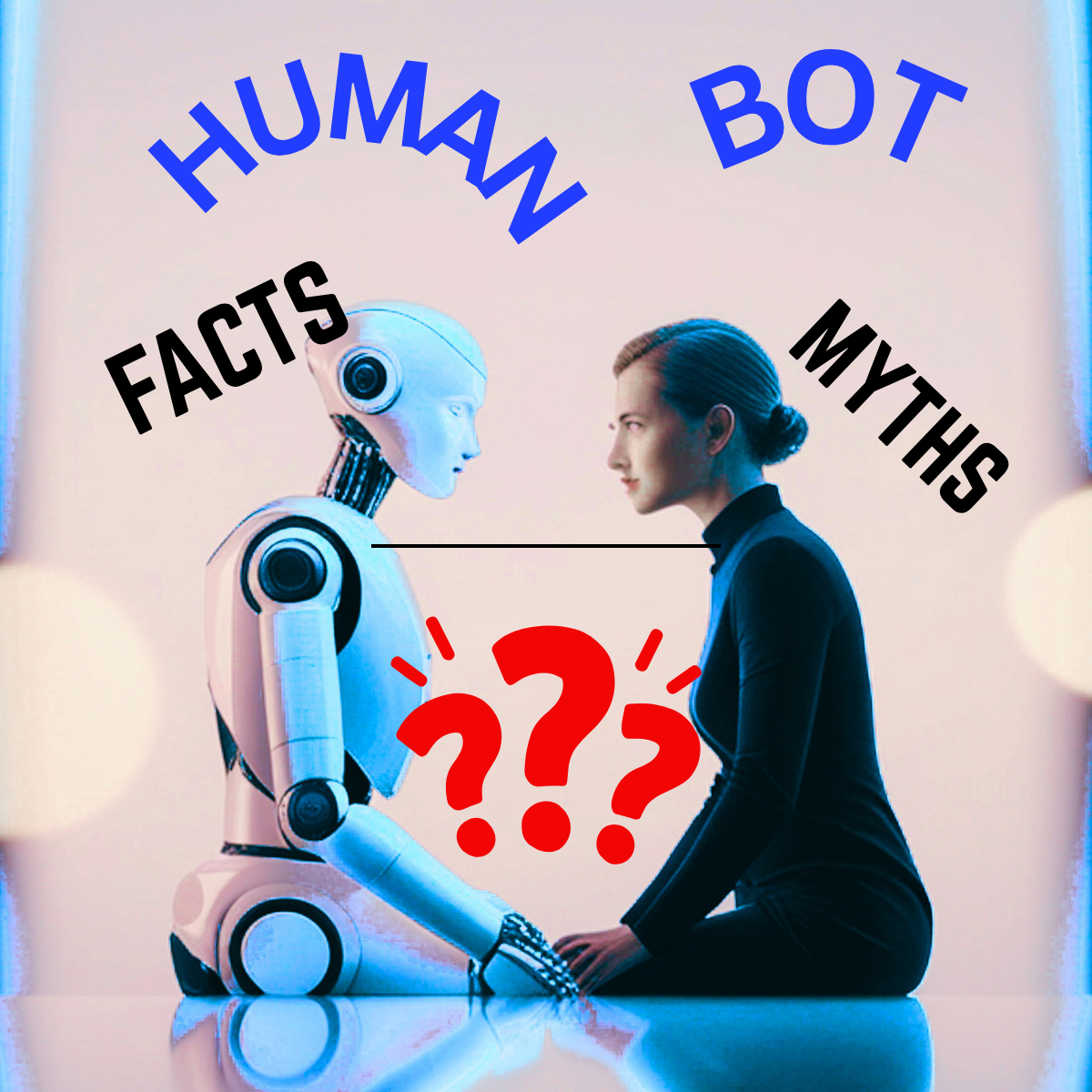
AI has made it possible to generate a polished, keyword-perfect resume in minutes. That's exactly why LinkedIn has become more important than ever in validating that applicants are real people with real experience. It's not foolproof, but a verified and complete profile is harder to fabricate on demand, and recruiters increasingly treat it as the check against everything else you submit.
At every stage of a job search, from the first application to the final round, your LinkedIn profile is doing some heavy lifting. Without a solid profile, many candidates never make it to a first conversation. If a recruiter can't verify who you are, they may move to someone they can. Ask yourself:
• Is your profile VERIFIED?
• Are at least some of your most relevant skills ENDORSED?
• Do you have RECOMMENDATIONS that lend credibility?
Updating your resume without updating LinkedIn is a big no-no!
We're talking about updating here, not customizing (targeting for specific jobs). Here's where many good candidates slip. You update your resume, which is smart. But if your LinkedIn tells a different story (different skills emphasized, different titles, gaps in the timeline) or still lists you at a job you left years ago, it looks like fabrication even when it isn't. A hiring manager comparing the two documents won't call to ask for clarification. They'll move to the next candidate.
Scrutiny exists because bots apply instead of humans, people fabricate work histories and invent titles, and proxy candidates (someone else sitting in on the interview) show up more often than you'd think. Companies have responded by building in verification steps, since lying is harder to do when the world is watching.
What gets checked when someone reviews LinkedIn against your resume:
• Titles and companies: do they match or reasonably align across both documents?
• Dates: any unexplained gaps or timelines that don't hold true?
• Skills story: does your LinkedIn support the experience you're emphasizing on your resume?
• Basic completeness: a real photo, filled-in experience sections, a profile that looks like an actual person
• Connections and footprint: does your network reflect a real career history?
What doesn't normally get checked? Posts, engagement, follower counts. These are "nice to haves" but not ways to validate a profile.
Don't take yourself out of the running before you even start. Be sure your resume and LinkedIn profile are consistent, and fix anything that looks questionable.